I volunteer at a wildlife rescue
center, one which specializes in aquatic birds. Sometimes volunteers
and staff apologize to the birds.

A Red-throated Loon is brought in and
has an intake exam, in which we try to figure out what is wrong with
the bird. What made this wild creature so ill or hurt that it fell
into human hands? What are its problems? Are they things we can fix?
We handle it, pull its legs out and
study its feet, extend its wings and fold them up again, stare into
its desperate face with our huge monster faces. We draw blood from
one foot. We take its temperature, and it flinches as the thermometer
goes into its cloaca. “I know. I'm sorry,” murmurs the person
inserting the thermometer.

We'll learn more about his condition
when we get the results from centrifuging his blood. We can already
tell the bird is skinny and cold. His temperature, which would be a
fever for a human, is low for a bird. We keep an eye on his
temperature, and end up moving him into a warm intensive care room.
These are wild birds, and our practice
is not to talk to them, and to minimize talking around them. We work
quietly. But occasionally apologies slip out.

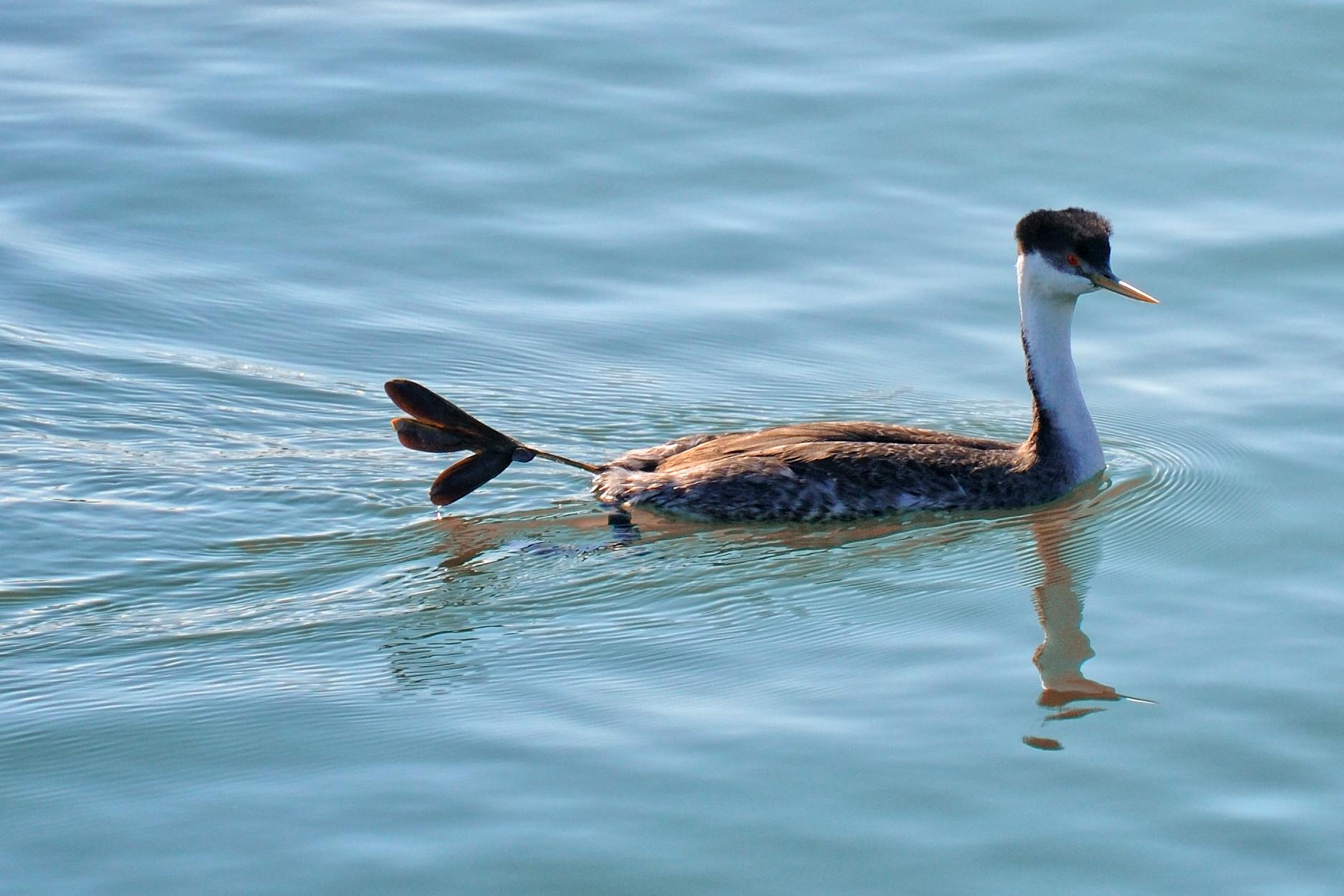
A lot of Western Grebes have been
brought in lately. An indignant grebe has just been examined, and is
being returned to a big pool where he can swim around with other
grebes. He's wrapped in a towel. Right before we put him back in the
pool, we'll give him some medicine, and a feeding through a tube,
because he's still too thin, and doesn't really have the hang of
eating dead fish out of the basket on the side of the pool. He
doesn't want the tube down his throat, and we don't blame him. He
struggles. “Calm down,” the other volunteer tells him. As he
jerks his head, she says quietly, “I don't like it either. I
apologize.”
Some of the people who work here have
pet birds at home. Those birds understand human tones of voice. Not
these wild ones. Soothing voices don't soothe these guys. In their
natural lives, they're never around terrestrial mammals. They don't
have much intuition about our noises.
So why do we apologize to them? It's
not to help them. They don't understand the words, or the tone.
We say we're sorry, and we go right on
doing it. We're sorry in the sense that we don't want to hurt and
frighten them. We regret the necessity, but we do think it's
necessary. Taking the loon's temperature gives us information that's
likely to save its life. Tube-feeding the grebe will keep it alive
until it's well enough to eat on its own. They'll both go free when
they're healthy enough to survive.
The little sorries just slip out. Maybe
we're apologizing for our own sakes, to stay aware of where we are on
the long slick slope of our concern for them. On one end of the slope
we would take over their lives, make them into pets or livestock or
exhibits. Unwild. On the other end we'd treat wild animals as wholly
other, wholly responsible for their own welfare – we'd let them
die, or at best, “put them out of their misery.”
One reason we don't is that wild
creatures no longer live in a world that humans haven't affected
drastically. We've changed their habitats: we've shrunk, depleted,
invaded, and tainted those places. Humans have taken away some of the
resources wild animals use to support themselves. This wildlife
rescue center came to be, and specializes in aquatic birds, because
of oil spills.
So we've placed ourselves somewhere in
the middle, neither disclaiming responsibility nor trying to manage
them like unruly pets. We work at not going too far toward either
extreme. Maybe saying sorry helps us keep that balance.
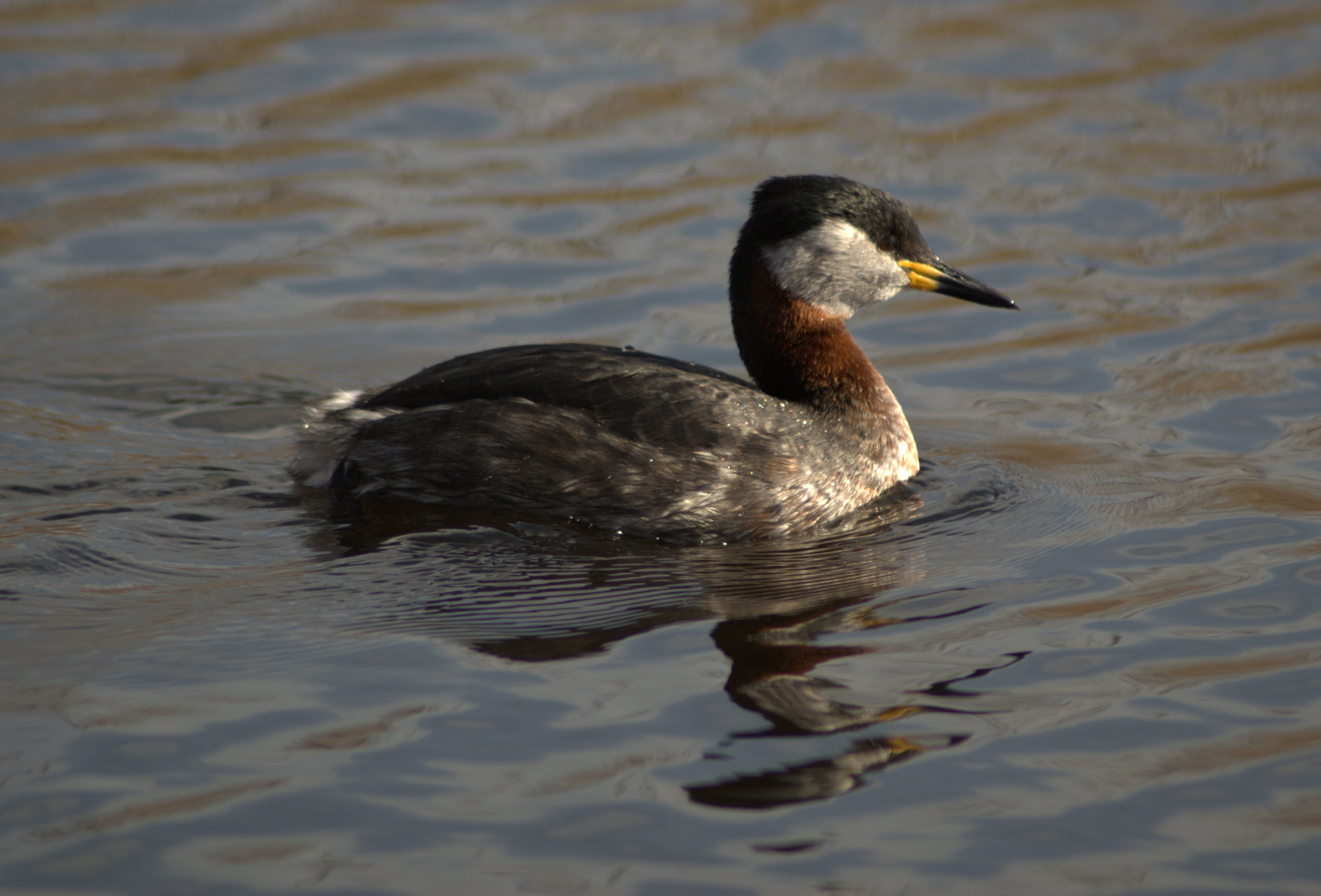
Here's a Red-necked Grebe, with wounds
on its feet. For these birds, foot injuries are dangerous. Like
bedsores, they can rapidly turn ugly, grow, spread infection through
the body's system, and kill. The birds need to have decent feet
before we let them go.
At night, in winter storms, some birds
try to land on rain-slick surfaces that look like water to them –
roads, roofs, or pavement. They may break bones or tear up their
feet. Maybe that happened to this grebe. Its feet are starting to
heal, and to help the process along we have to debride the wounds.
That means someone has to take (sterilized) retractors and pick dead
tissue out of the site. Sometimes it hurts the bird.
The small grebe twitches, tries to jerk
its foot away. Softly, the caregiver says, “I know. Sorry, buddy.”

Note: This post is the first ever to
be cross-posted on SorryWatch and The Nature of the Beast.


Leave a Reply